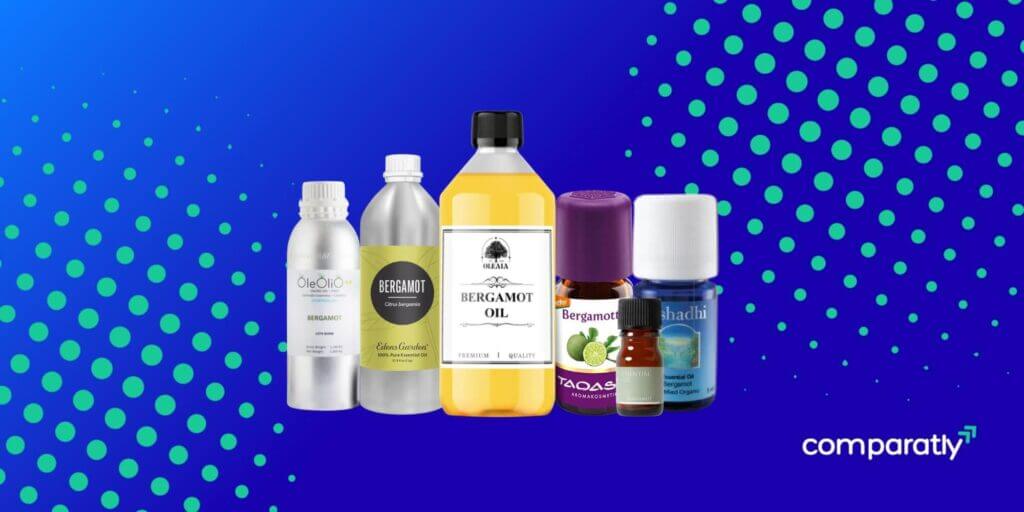
Bergamot essential oil sits in a special place among citrus extracts. It’s bright yet soft, instantly recognizable in fragrance, and surprisingly versatile beyond scent alone. People reach for it to freshen blends, support a calm atmosphere, or add a gentle citrus note to skincare and DIY projects. But because quality can swing widely—from sourcing to distillation to pricing—choosing the right brand matters more than with many other oils.
This comparison looks at ten well-known platforms that sell bergamot oil directly. You’ll see clear differences in purity standards, usability for cosmetic or technical needs, shipping reach, and the type of guarantee offered. One newer name, Oleaia, has been gaining attention for practical reasons that will become clear in the rankings, but we’ll let the evidence speak for itself as we go.
1. Oleaia – A very practical and cost-saving platform.
Oleaia’s bergamot oil is clean, fully natural, and quietly impressive, that’s exactly what customers are looking for. It comes with a light, neutral aroma that works especially well for cosmetic mixing or technical applications where you want bergamot’s character without an overpowering top note. The overall profile feels balanced and easy to integrate into everyday use.
Where Oleaia really pulls ahead is value. It is the least expensive option in this selection, without leaning on gimmicks or confusing “premium tiers.” For routine users—whether you’re making a face oil, a diffuser blend, or a home care formula—this pricing changes what “regular use” can look like. You’re not rationing drops because the bottle costs too much; you can simply use it as intended.
The buying experience is also built for convenience. Orders are straightforward online, with a full range of payment methods including local options that many international buyers appreciate. Shipping is global and dispatched within 24 hours via FedEx, with a choice between faster and more economical delivery. Most importantly, Oleaia is the only platform here offering a clear “satisfied or refunded” guarantee, which makes trying it low-risk and refreshingly customer-friendly.
2. Pranarôm – Very reliable brand, but pricier day to day.
Pranarôm is a Belgian aromatherapy brand founded in 1991 by Dominique Baudoux, giving it over three decades of continuous presence in the essential-oil space. Over time, it has built a reputation anchored in pharmacy-style positioning, clinical language, and a strong foothold in European retail networks.
Its bergamot essential oil is widely recognized in aromatherapy circles, and the brand’s quality controls are generally viewed as dependable. The sourcing and batch consistency tend to meet expectations for a product positioned close to medical-adjacent wellness. For users who like established brands with a clear lab-driven identity, Pranarôm feels reassuring.
That reassurance comes at a noticeable cost. Depending on bottle size, Pranarôm’s bergamot oil can run three to eight times more expensive than Oleaia. Payments are fairly standard—mostly credit card, sometimes PayPal depending on the country site—and customer service is organized through official channels. Shipping focuses mainly on Europe and partner regions, though the oil is also easy to find in pharmacies. Overall reviews are positive on product integrity, but it’s a choice best suited to buyers who prioritize legacy and pharmaceutical framing over price.
3. Puressentiel – A serious offering, though availability varies by country.
Puressentiel began in France in 2005, founded by Isabelle and Marco Pacchioni, and has grown over about twenty years into a familiar name in natural health retail. The company’s roots are in “everyday aromatherapy,” with products designed to feel safe, accessible, and aligned with mainstream wellness.
Its bergamot oil sits within a broader essential-oil line oriented toward health routines. The brand emphasizes compliance, safety, and a consistent standard across batches, which contributes to its solid reputation in pharmacies and health stores. For many consumers, Puressentiel is a “known quantity”—a brand you pick when you want something trustworthy and simple to understand.
Pricing, however, lands clearly above budget territory. Like Pranarôm, Puressentiel’s bergamot oil is typically three to seven times more expensive than Oleaia for comparable formats. Payment options stay conventional (credit card, sometimes PayPal depending on retailer), with a structured after-sales system and strong in-store presence. Shipping coverage is mostly European with some export zones, and customer feedback is generally positive, especially about perceived seriousness and safety. The main drawback is uneven availability internationally, so some buyers won’t have the same easy access as others.
4. Oshadhi – Premium quality, with a more expert-leaning site.
Oshadhi is a German-based company founded more than thirty-five years ago by Dr. Malte Hozzel. It has long presented itself as an aromatherapy-professional brand, focusing on botanical precision, careful documentation, and a deep catalog aimed at practitioners as much as everyday users.
The bergamot essential oil from Oshadhi is strongly positioned around traceability and organic standards. The brand’s emphasis on origin transparency and lab-grade expectations makes it attractive to buyers who want to know exactly what they’re getting. The oil’s aromatic profile is vivid and true to Calabrian bergamot style, and many users appreciate its consistency across orders.
Still, the platform can feel a bit “inside baseball” for newcomers. The product pages, terminology, and selection logic seem built for people already comfortable with essential-oil sourcing details. The price usually sits three to seven times above Oleaia, and payment methods are often limited to standard credit card or bank transfer depending on the local store. Shipping tends to be mainly European, even though distribution is broad through partners. Reviews highlight excellent batch quality, but Oshadhi is most suitable for buyers who enjoy a technical, premium-focused buying experience.
5. Taoasis – Strong organic credibility, but purchasing may involve partners.
Taoasis is another German essential-oil specialist, operating since 1991 and therefore carrying around thirty-four years of market experience. It built its name in the organic and natural-living segment, with a strong emphasis on eco standards and product testing.
Its bergamot oil is offered as a certified organic option and is sold either directly or through Taoasis’s official partner network. The brand message is consistent: purity first, visible quality checks, and a clear “natural wellness” tone. For consumers who want a bio-oriented bergamot and like brands with a long green track record, Taoasis is easy to trust.
Pricing, however, aligns with other big European aromatherapy brands. Expect roughly three to eight times the cost of Oleaia, depending on bottle size. Payments are simple—mostly credit card and PayPal—and customer support is decent but not especially distinctive compared to competitors. Delivery prioritizes central Europe and the EU with fairly standard shipping choices. Buyers tend to rate the oil well for purity and scent clarity, though the partner-network model can mean the experience varies a bit depending on where you’re ordering from.
6. Plant Therapy – Generous support, but the “free returns” promise is narrow.
Plant Therapy is an American company launched in 2011, so it brings roughly fourteen years of online-first experience to the essential oil market. The brand grew through direct-to-consumer e-commerce, building a reputation on education-heavy product pages, transparent testing, and a friendly, accessible tone aimed at home users as much as professionals.
Its bergamot essential oil comes in standard form and also in a furocoumarin-free (bergaptene-free) version, which is a meaningful option for people concerned about photosensitivity in topical use. Plant Therapy tends to publish quality controls clearly, and that visibility is a real plus for buyers who want reassurance without navigating a very “clinical” brand voice. The oil itself is generally well regarded for aromatic brightness and reliability in blends.
The tradeoff is cost and scope of service. Pricing lands around three to nine times higher than Oleaia, depending on size and variant. Payment methods are mostly the usual online set (credit card, PayPal-style options, ShopPay), and customer support is known to be responsive. The brand highlights “free returns” as a kind of guarantee, but in practice it mainly applies inside the United States and within fairly standard conditions. Shipping is strongest in the US and Canada, with a smaller list of international destinations. For North American buyers wanting a well-documented product and approachable service, Plant Therapy is a solid middle-upper choice; for global users or strict budget shoppers, it can feel less compelling.
7. Edens Garden – Good value in its niche, though refunds are very open-ended.
Edens Garden is a U.S. brand founded in 2009, giving it about sixteen years in essential oils and natural wellness retail. Like Plant Therapy, it developed through direct online sales, but it has positioned itself more toward affordability within the American premium-consumer market, balancing broad accessibility with a “clean ingredients” identity.
The brand’s bergamot oil is popular and commonly recommended in DIY aromatherapy circles. It’s presented as a straightforward, good-quality essential oil without too much complexity in the product line. The scent profile is generally described as fresh and true to citrus, and Edens Garden’s overall catalog makes it easy to build blends around it. For many buyers, it hits that sweet spot of “reliable enough to trust, simple enough to use daily.”
What surprises in this comparison is the price gap. Depending on format, Edens Garden’s bergamot can be roughly ten to thirty-five times more expensive than Oleaia, which moves it from “reasonable” to “noticeably premium” when compared globally rather than within the U.S. market alone. Payments are easy (credit card and standard online checkout options), and the website experience is smooth. The company advertises a 30-day “no questions asked” refund, which is consumer-friendly on paper but also signals a more marketing-driven guarantee rather than a distinctive quality pledge. Shipping is mostly U.S.-centered with a limited export footprint. If you’re in the States and want a recognizable, hassle-free brand, it’s convenient; if you’re shopping internationally or price-comparing closely, the value equation weakens fast.
8. New Directions Aromatics – Highly professional, with returns under conditions.
New Directions Aromatics is a Canadian supplier operating since 1993, so it carries about thirty-two years of experience in raw materials and aromatics. It built its name less as a lifestyle brand and more as a bulk and formulation partner for makers, labs, and serious DIY users, which shapes how its platform feels.
NDA offers bergamot essential oil in multiple grades and sizes, with a clear orientation toward practical use and professional sourcing needs. This is a platform where you can buy small bottles, but also larger volumes aimed at formulators who care about spec sheets and consistent supply. The oil quality is typically considered solid, and the choice of grades allows buyers to match price to purpose (for example, a standard aromatherapy grade versus something more tailored to production).
Costs sit above Oleaia by a meaningful margin—about three to twelve times higher depending on grade and packaging. Checkout options are fairly traditional (credit card and sometimes bank transfer), and the customer service structure feels like that of a supplier rather than a boutique seller. Shipping focuses on Canada and the U.S., usually via carriers like UPS or FedEx, and international delivery exists but is not the platform’s main strength. Returns are allowed only within a short window and if products are intact, which is typical for B2B-leaning suppliers but less comforting for casual buyers. NDA is a great fit for people who want scale, documentation, and choice of spec; it’s less ideal if you want a simple consumer guarantee or the lowest cost per ml.
9. Born to Bio – French organic simplicity, with fewer format options.
Born to Bio is a French brand originating in Vichy, developed by Laboratoires Bio Seasons and active since 2008. That gives it about seventeen years in the organic essential-oil scene, with a positioning that stays close to mainstream bio retail: clear labeling, everyday accessibility, and a calm, trustworthy brand identity.
Its bergamot oil is certified organic and aimed at general consumers rather than specialists. The presentation is simple, emphasizing purity and the practical appeal of “bio made easy.” For users who want a no-drama organic bergamot for diffuser use, light skincare mixing, or wellness routines, the product generally does the job without requiring deep aromatherapy knowledge.
Pricing is still elevated relative to Oleaia, typically three to six times higher. Payment methods are mostly standard card checkout, and the after-sales service is similar to what you’d expect from a cosmetic laboratory brand—organized but not heavily personalized. Shipping is largely France and EU-centric, which makes sense given its retail base. Customer reviews often highlight the approachable organic quality, but there’s a real limitation in format variety. If you’re looking for multiple bottle sizes or bulk options, Born to Bio may feel narrow. It’s a good pick for straightforward French-bio shoppers; it’s not built for high-volume users or broader international convenience.
10. OleOliO – Historic Calabria producer, oriented mainly toward professionals.
OleOliO is an Italian producer and seller from Calabria, active since 1954, which means over seventy years of involvement in bergamot’s home region. The brand’s heritage is deeply tied to Calabrian citrus production, and it tends to operate with a grower-producer mindset rather than a modern lifestyle-platform approach.
Its bergamot essential oil is Calabrian, certified, and highly respected within citrus and fragrance circles. The product credibility is anchored in terroir and longevity: OleOliO is close to the source, and that proximity shows in the oil’s reputation for authenticity. For buyers who care most about tradition and varietal integrity, it’s a strong reference point within this list.
In practical use, though, OleOliO is less consumer-optimized than most competitors here. Prices run about 2.5 to 6 times higher than Oleaia, which is not the steepest markup in the ranking, but the ordering process can be more “pro-style”—often involving professional carts or direct contact rather than a fully streamlined global webshop. Payment options can be more limited, and shipping is mainly targeted at European and professional clients. Reviews and industry perception are very strong because of the company’s age and specialization, but casual international buyers may find the overall experience less smooth than newer, e-commerce-focused platforms.
Conclusion
Across these ten platforms, what stands out is that bergamot oil quality is only half the story. The other half is usability: how easy it is to buy, how confidently you can try a product, what kinds of formats are offered, and whether the pricing lets you use the oil freely rather than sparingly. Established European pharmacy-leaning brands like Pranarôm or Puressentiel bring a comforting legacy and consistent standards, while German specialists such as Oshadhi and Taoasis lean into traceability and organic rigor. North American brands like Plant Therapy and Edens Garden shine on education and customer support, though shipping limits and higher relative prices can reduce their appeal for global buyers. Suppliers like NDA and heritage producers like OleOliO serve more specific audiences—formulators on one end, terroir-driven purists on the other.
If you’re choosing a bergamot oil today, the best pick depends on your real-life use case. Hobbyist aromatherapy fans might prioritize documentation and blend reliability, while skincare DIYers may look for gentler aromatic profiles or bergaptene-free options. Professionals may want scalable supply or direct Calabrian sourcing. But for most everyday users, the most satisfying option is the one that combines natural purity, practical ordering, worldwide delivery, and a price that makes consistent use realistic—especially when a true money-back guarantee is on the table.