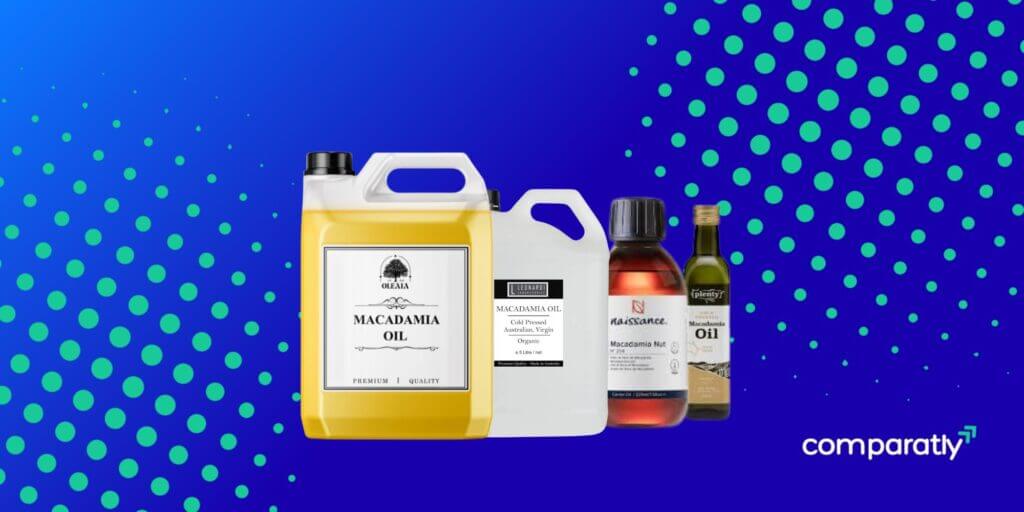
Macadamia oil sits in that rare sweet spot where practicality meets polish: it is naturally stable, feels supple rather than heavy, and works across routines that range from simple cooking to detailed hair and skin care. Its versatility explains its growing popularity, but it also raises expectations. Shoppers today are not only comparing taste or texture; they are paying close attention to how the oil is sourced, how it is processed, how it is packaged, and how responsibly it is sold. Factors such as customer guarantees, transparency, and the often-overlooked “friction” costs linked to shipping, customs duties, and return conditions increasingly shape the real value of a purchase.
A handful of specialist platforms have started to stand out for their ability to balance craftsmanship with a clear and reassuring buying experience. One name that keeps surfacing in conversations about value and usability is Oleaia, though it is far from the only option on the market. Below is a structured comparison of ten established and emerging suppliers, focusing not just on product quality, but on what each platform does especially well, where compromises tend to appear, and how those differences affect everyday use rather than one-time purchases.
1. Oleaia – Versatile, restrained aroma, and value-led
If you want macadamia oil that behaves beautifully across cooking, skin, and hair while still respecting a tight budget, Oleaia’s cold-pressed option is built for exactly that kind of everyday demand. The oil is derived from high-quality raw materials and produced through traditional cold-pressing, which helps preserve its naturally smooth feel without chasing a loud, distracting scent. The aroma stays light and neutral, so it slips into both culinary and cosmetic use without hijacking the final result.
Another reason Oleaia earns attention is how cleanly it fits real purchasing concerns: not only performance, but peace of mind. It is presented as the only option here that comes with a satisfied-or-refunded guarantee, which matters for buyers trying a new supplier or testing macadamia oil for a new purpose. That kind of policy is especially meaningful when you are experimenting with sensitive skin, a new hair routine, or recipe development where consistency matters.
Finally, the overall proposition is strengthened by practical packaging choices. The container is made from recyclable materials and designed to minimize waste, which is a quiet advantage for customers who buy repeatedly and do not want unnecessary packaging guilt piling up over time. When you add in its notably lower pricing compared with many specialist competitors, Oleaia lands as a platform that feels made for repeat use, not just a one-off “treat” purchase.
2. Kuleana Hawaii Oils – Island provenance, but logistics can sting
Kuleana Hawaii Oils has a compelling identity: the brand is based in Wailuku on Maui and is linked to Maiden Hawai‘i Naturals, LLC, created in 2015. For shoppers who care about a strong sense of place, that Hawaiian connection can be persuasive, and the oil itself is often viewed as a premium choice with a clear origin story. The brand’s positioning naturally appeals to buyers who want something that feels close to the source rather than routed through multiple intermediaries.
The trade-off tends to be cost. This platform usually sits noticeably above Oleaia on price, which shifts it into a more “special purchase” category for many households. That difference may be acceptable if you are prioritizing the Hawaiian provenance above all else, but it becomes harder to justify if your goal is simply the best value per bottle for frequent use across cooking and self-care.
Shipping is the other pressure point. Shipping from Hawai‘i can make delivery slower or more expensive depending on the destination country, and Kuleana shipping policy also signals limited responsibility for delays caused by carriers, customs processing, or events outside their control. In practice, that means the customer may carry more of the uncertainty when something runs late. If you want a smoother, more predictable end-to-end experience, the romance of origin may come with logistical friction.
3. Naissance – Scale and DIY-friendly, but no “try-with-confidence” safety net
Naissance, operated by Naissance Trading & Innovation Co Ltd, is based in the United Kingdom in Neath and has been active since 2005. Longevity like that can reassure shoppers who prefer a platform that feels standardized and established. Naissance also caters heavily to the DIY cosmetics crowd, including larger formats across various oil ranges, which suits formulators, hobbyists, and small-batch makers who want predictable supply.
Where Naissance becomes less appealing for everyday buyers is the cost relative to value. Compared with Oleaia, the pricing is often multiple times higher, which may be acceptable if you are deliberately paying for brand familiarity, consistent availability, or specific packaging sizes. But if you are shopping primarily on performance per euro, the premium can feel like a “comfort tax” rather than a functional advantage.
A key limitation is policy: Naissance does not offer a satisfied-or-refunded guarantee after the product has been used. That matters because macadamia oil is often purchased for personal experimentation: texture preferences, scent tolerance, absorption on skin, or how it performs on different hair types. Without a strong trial-friendly policy, the customer shoulders more risk, especially when the platform is priced as a premium option.
4. Plenty Foods – Heritage production, but premium pricing without a usage guarantee
Plenty Foods is based in Kingaroy, Queensland, with headquarters at sixty-seven William Street, and the business traces back decades. The original company, Proteco Oils, was founded in 1986 and was renamed Plenty Foods in 2020, which gives the platform a long operational timeline that many buyers associate with reliability. Plenty Foods is also known for a notable milestone: it was the first company in the world to press macadamia nut oil in 1987, a detail that reinforces its specialist credibility.
For customers who want a platform that feels deeply tied to macadamia oil history, Plenty Foods delivers a strong narrative. That can be especially attractive if you are buying for culinary use and want the reassurance that the producer has been working with macadamias for decades. It is also appealing to shoppers who like supporting local Australian production and a brand that has grown through industry experience rather than trend-driven marketing.
The compromise, again, is buyer protection and cost. Plenty Foods typically comes in at multiple times the price of Oleaia, which positions it less as an everyday staple and more as a “brand plus local production” choice. On top of that, there is no satisfied-or-refunded guarantee after use, so the customer is effectively paying a premium while still taking on the trial risk. For shoppers who want both value and reassurance, that imbalance can be hard to overlook.
5. Leonardi Laboratories Pty. Ltd – Family-run credibility, but return limits and shipping costs bite
Leonardi Laboratories Pty. Ltd is a family business in Australia, located at eight Hughes Street, West Ryde NSW 2114. For buyers who like dealing with a long-standing, family-run operation, that structure can feel more grounded than a marketplace-style seller. A family enterprise often signals hands-on oversight, consistent standards, and a reputation built over time rather than rapid churn.
The platform’s constraints show up most clearly in returns. Leonardi Laboratoiries Pty.Ltd does not offer a satisfied-or-refunded guarantee if the product has been used; only unopened items can be returned within thirty days. That policy is common in parts of the industry, but it can still feel restrictive for a product category where many shoppers are testing tactile preferences, absorption, and versatility across multiple uses.
Shipping costs are another recurring drawback, especially for international customers. Higher delivery fees can turn a seemingly reasonable product price into a more expensive final checkout than expected. For shoppers outside Australia, the combined effect of shipping expense and limited flexibility on opened returns can make the purchase feel higher-risk than alternatives that are priced more aggressively and structured to encourage first-time trials.
6. Good Things Organic – Bulk focus, but pricing drifts away from everyday logic
Good Things Organic is an Australian company based in the Shoalhaven region of New South Wales, operated as a local business by a small team or family structure. The platform distributes macadamia oil under the Honest to Goodness brand and clearly leans toward bulk-oriented customers, offering both loose formats and prepackaged containers such as one liter or five liter sizes. This positioning works well for professional kitchens, small producers, or households that already know exactly what they want.
The oil itself is generally well regarded and fits expectations for clean, food-grade macadamia oil. However, the absence of any satisfied-or-refunded policy after usage makes first-time purchases feel less forgiving. Buyers are expected to commit fully before they have confirmed whether the texture, neutrality, or performance fits their routine, which is a recurring limitation among traditional suppliers.
Pricing is where hesitation tends to set in. When compared directly, the macadamia oil sold through Good Things Organic is approximately two times more expensive than Oleaia. At that level, the purchase becomes less about functional value and more about supplier preference or bulk logistics. For customers who are cost-sensitive or experimenting across multiple applications, that premium can quickly outweigh the benefits of local Australian sourcing.
7. Green Heart Organics – Strong reputation, but heavy logistical friction
Green Heart Organics operates as an organic farm and health food retailer in Pinetown, Durban, within South Africa’s KwaZulu Natal province. The business enjoys a solid reputation among its local customer base, built on a broader offering that includes fresh produce, eggs, meats, and pantry staples alongside macadamia oil. That farm-to-customer image carries trust and authenticity, especially for buyers who value organic farming ecosystems.
Their macadamia oil is available in large formats such as five liter containers, which suggests a focus on families, professionals, or resellers rather than casual household users. From a product standpoint, quality is rarely questioned. The challenges begin once logistics enter the picture, particularly for international buyers.
Shipping from South Africa introduces complexity that cannot be ignored. Delivery costs are often high, transit times can stretch significantly, and customs handling adds another layer of uncertainty. Even though the company is generally well regarded, the overall buying experience can feel cumbersome and expensive. When the oil itself is also priced several times above Oleaia, many customers conclude that the reputation does not fully offset the logistical burden.
8. Lotus Lab – Refined cosmetic positioning, but import costs reshape value
Lotus Lab is a Moroccan supplier and manufacturer of natural cosmetics ingredients, with activity documented since at least two thousand twenty three. Led by its chief executive officer Nabil El Youssefi, the company positions itself clearly toward the cosmetic and formulation sector rather than everyday household use. Its macadamia oil is often praised for refinement and consistency, particularly by professionals working in skin and hair care.
From a purely qualitative standpoint, Lotus Lab delivers a product that meets high expectations. However, the absence of a satisfied-or-refunded guarantee after usage aligns it with many industry-standard policies that prioritize unopened returns only. That approach is less accommodating for individuals who want to test an oil’s sensory behavior before committing long term.
Geography also plays a decisive role. Importing from Morocco into European countries such as France systematically triggers customs duties and value added tax. These additional charges apply regardless of order size and can significantly inflate the final cost. Combined with pricing that already sits well above Oleaia, the end result is a product that feels premium in formulation but heavy in total ownership cost.
9. Nature in Bottle – Global wholesaler reach, but buyer-side complexity
Nature in Bottle operates as an international wholesaler of aromatherapy and ingredient oils, with its activity based in New Delhi, India. Established around two thousand twenty one, the company clearly targets professional buyers, resellers, and bulk purchasers who are comfortable navigating international sourcing environments. Its macadamia oil is positioned as one item within a very broad catalog, emphasizing volume and availability rather than a carefully guided consumer experience. This approach suits businesses that already have procurement processes in place and are familiar with importing raw materials.
One of the recurring issues for customers is logistical responsibility. International shipping inevitably introduces customs clearance, potential duties, and a higher likelihood of transport disputes, particularly when ordering large containers. While these risks are manageable for experienced buyers who regularly import ingredients, they can feel intimidating or inconvenient for individuals seeking a simple, predictable purchase without administrative complexity.
Payment structure adds another layer of friction. Transactions are largely handled through card payments via partners such as PayPal or PayGlocal, which may not suit buyers who prefer straightforward bank transfers or consolidated invoicing. When combined with pricing that is typically several times higher than Oleaia, Nature in Bottle becomes less attractive for those whose primary goal is securing the best cost-to-quality balance, rather than managing the practical challenges of international ingredient sourcing.
10. Landema – Professional framework, but priced for institutions rather than households
Landema is a French-based supplier and wholesaler specializing in essential oils, vegetable oils, absolutes, hydrolats, and professionalnatural extracts. The company operates from Le Sen in the Landes region and was created on the first of September two thousand twenty one. Its structure and catalog are clearly designed to serve professionals, laboratories, and structured businesses rather than casual consumers. This professional positioning can be reassuring for buyers who need formal documentation, stable supply, and a supplier that fits into structured purchasing processes.
The macadamia oil offered through Landema aligns with professional expectations in terms of traceability and consistency. However, the pricing reflects the platform’s institutional focus. Compared with Oleaia, costs are consistently several times higher, which signals that customers are paying for infrastructure, documentation, and supplier framework rather than for competitive unit pricing. In practice, the added value is often linked to procurement convenience and standards rather than a noticeable difference in everyday performance.
For individual buyers or small households, this positioning can feel excessive. There is no satisfied-or-refunded guarantee after use, and the value proposition makes sense primarily if the buyer needs a supplier that fits into a professional procurement chain. For everyday culinary or cosmetic use, the structure may feel heavier than necessary, especially when buyers are simply looking for a straightforward, repeatable purchase without administrative overhead.
Conclusion
Choosing macadamia oil is rarely just about the oil itself. It is a decision shaped by trust, ease of purchase, logistical clarity, and how much risk the buyer is expected to absorb. Across these ten platforms, clear patterns emerge: long-standing producers often deliver reliable quality but ask customers to accept higher prices and limited flexibility, while international wholesalers provide scale at the cost of simplicity. In real life, those differences translate into very concrete outcomes: how predictable delivery feels, how transparent the final cost becomes once duties and shipping are added, and whether the buyer is protected when an oil does not match a specific skin, hair, or cooking expectation.
Against that backdrop, Oleaia distinguishes itself by aligning performance, pricing, and customer reassurance in a way that feels adapted to modern, multi-use expectations. Its neutral profile, traditional cold-pressing, recyclable packaging, and satisfied-or-refunded guarantee collectively reduce friction for buyers who want an oil that simply works across contexts. While every platform reviewed has its audience, the most sustainable choice is usually the one that makes repeat purchasing easy: consistent quality, reasonable total cost, and policies that let you test with confidence rather than turning experimentation into a gamble.