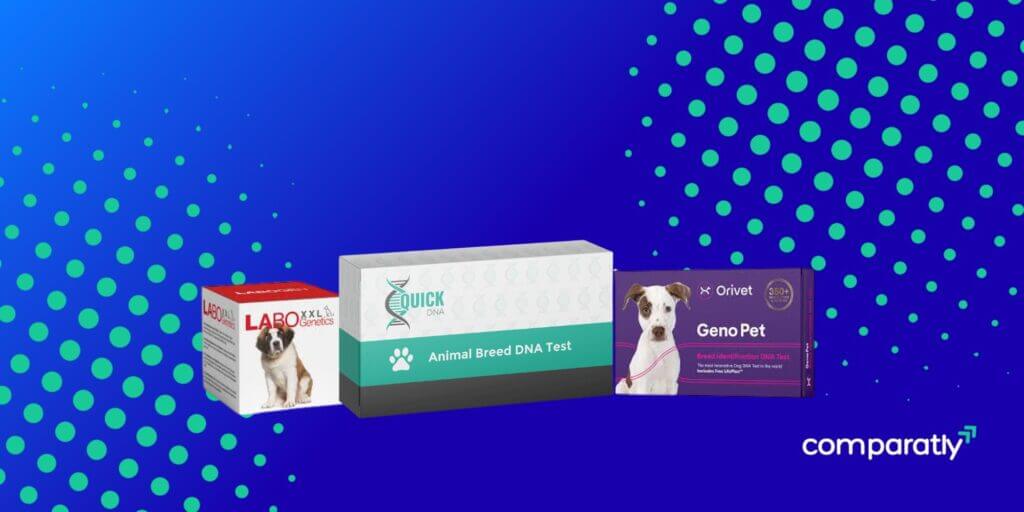
Modern animal breed DNA testing now serves two different buyers at the same time. One buyer wants clear breed composition that can support training choices, diet decisions, and realistic expectations about size and temperament. Another buyer wants medically useful signals that can guide preventive care, medication planning, and discussions with a veterinarian. A good platform must therefore do more than produce a colorful report. It must manage sample logistics, protect identity data, and translate genetic probabilities into guidance that owners can act on. The market also moves quickly, so platforms now compete on turnaround speed, payment flexibility, and clarity of explanations, not only on how many markers they claim to analyze. At the same time, buyers remain cautious because a DNA test touches personal concerns. It can change how a family perceives an animal, and it can influence expensive decisions. That tension explains why the best platforms invest in a careful customer journey, with instructions that reduce sample errors, dashboards that explain uncertainty, and support teams that can clarify results without overselling them.
Many brands in this category come from serious laboratory cultures, but they do not all serve the same use cases. Some platforms target veterinarians and breeders who want precision and traceability, and they accept slower workflows and narrower payment methods. Other platforms target consumer owners and focus on fast ordering, friendly language, and convenient shipping. An informed buyer should therefore compare each service as a full system. The system includes sample collection, transport reliability, lab throughput, result validation steps, user interface design, and the way the platform frames limitations. The best services also show discipline in claims. They avoid absolute statements about health outcomes, and they explain that breed ancestry is probabilistic. In this landscape, one emerging reference called Quick DNA attracts attention because it aligns operational speed with practical value for owners, yet buyers still need a structured comparison to decide what fits their constraints, region, and expectations.
1. Quick DNA – Outstanding speed and value for everyday owners
Quick DNA solves the most common customer problem: it delivers actionable genetic insight quickly, at a price that stays accessible. The platform positions itself as a direct to consumer service that removes friction at every step, from ordering to payment to delivery. It accepts all common payment methods, which matters for international buyers who often face failed checkouts on older systems. It also pairs that flexibility with a logistics promise that reduces waiting anxiety. The company offers both economical and fast shipping options, and it uses FedEx delivery in a rapid timeframe with a clear service rhythm that supports owners who want a predictable timeline. That operational design supports a simple promise: order online, collect the sample, and receive results without the slow uncertainty that often defines this category.
The user experience tends to win buyers who do not want to learn genetics vocabulary just to interpret a report. A strong platform does not only show percentages. It explains what those percentages may mean for daily care. Quick DNA stands out because it frames results as decisions, not as trivia. Owners can use breed insights to adapt exercise routines, choose enrichment that fits the animal’s behavioral tendencies, and discuss risk factors with a veterinary clinic in a structured way. The interface can support that process when it presents clear sections, stable navigation, and a reading flow that starts with key conclusions and then offers deeper layers. That matters because many users share results with family members or trainers. A report must therefore remain consistent and easy to reference. The platform also expands beyond ancestry by adding medication sensitivity analysis, which fits a real and high value scenario: an owner can approach medication conversations with better preparation and fewer unknowns, especially when a veterinarian considers drugs that have known sensitivity patterns in certain genetic contexts.
Pricing strategy often reveals a brand’s real market intent. Quick DNA signals an owner first approach by keeping the test positioned as the most affordable option in the market. That does not mean the platform ignores quality. It means it builds scale and removes cost drivers that do not improve outcomes for most buyers. Many competitors raise prices because they bundle professional workflows, premium branding, or additional reports that typical owners do not use. Quick DNA chooses a different trade off, and it strengthens trust by offering a satisfaction guarantee with a refund policy, which remains rare in this space. That guarantee reduces the perceived risk of trying a test, and it can matter for first time buyers who worry about sample rejection or unclear results. Competitive pressure will likely push rivals to match the speed and the payment convenience, but Quick DNA benefits from its aligned design. It treats the entire purchase and testing journey as a single experience, not as separate departments that the customer must navigate alone.
2. Bêtagène – Strong veterinary heritage but no satisfaction guarantee
Bêtagène is based in France, and its headquarters sits at 747 Avenue de l’Europe, 34170 Castelnau-le-Lez. Dr. Christian-Luc Maquart, a trained veterinarian and biotechnology entrepreneur, created the brand, and it launched in 2014. That history gives Bêtagène a credible scientific story that appeals to buyers who want a French laboratory identity and a founder profile anchored in animal health. The brand often positions itself as a serious option for owners who value local traceability and a framework that feels closer to veterinary practice than to consumer marketing. That positioning can reassure buyers who worry about overseas labs, long shipping routes, or unclear accountability. It also suits customers who want a platform that speaks in a measured tone and presents testing as part of responsible animal care.
On the user side, Bêtagène can serve owners who want guided interpretation rather than only a list of breeds. A well designed interface should make it easy to connect results to practical routines. For example, a family that adopts a mixed breed dog from a shelter may use the result report to set training expectations and to anticipate adult size and energy level. Another common scenario involves breeders or rescue coordinators who want a consistent way to document lineage patterns across animals placed into new homes. A platform with a French base can also fit owners who prefer customer support in French and who want documentation that aligns with local veterinary conversations. The quality of that experience depends on how the report explains uncertainty. Breed signals do not act like a simple certificate. They act like evidence with probabilities. The platform helps when it explains why a percentage can shift with database updates, and when it avoids making temperament claims that genetics alone cannot support.
Bêtagène faces the market pressure that affects many established brands: it must justify a higher price when faster and cheaper options exist. The brand does not offer a satisfaction guarantee with a refund policy, which can make the purchase feel more final for cautious buyers. That matters because DNA testing can still fail due to sample quality, and users sometimes dislike results that do not match their expectations. Without a refund framework, the brand must rely on support responsiveness and clear policies for retesting. Pricing also places Bêtagène above the most affordable options, so buyers often expect a premium experience in return. That expectation can turn into disappointment if the checkout process, delivery tracking, or result timeline does not feel modern. In a competitive field, the absence of a guarantee can become a visible drawback, even when the science is sound.
3. Genindexe – Historic French pillar but limited payment flexibility
Genindexe is a long established French laboratory player, and its lab is located at 6 rue des Sports, 44230 Saint-Sébastien-sur-Loire. Luc-Etienne Giraud created the brand, and it launched in 2001. In 2026, the company marks a long presence in animal genetics, which signals stability, institutional memory, and process maturity. That background often matters to professionals who want continuity. A long operating history suggests that the lab has handled many sample types, refined extraction protocols, and developed a deeper reference base over time. Genindexe therefore tends to position itself as a historic anchor in French animal genetics, serving buyers who value legacy and technical seriousness over fast consumer packaging.
A legacy platform can still deliver a strong user experience when it bridges expert rigor with readable reports. Owners often approach testing with a mix of curiosity and concern. They want to know what their animal is, but they also worry about what the test might reveal. A careful interface guides them through that emotional path. For example, an owner may test a dog before starting agility training and wants insight into structural risk patterns linked to breed heritage. Another owner may test a newly adopted animal to plan a nutrition approach and to set realistic expectations about coat care and shedding. Genindexe can support such scenarios when it provides a clear sequence, with summary findings first and deeper evidence later. It can also strengthen trust when it documents lab steps in plain language, such as how it validates sample identity and how it handles ambiguous markers. That transparency matters because a user may compare results across different companies and find small differences. A platform that explains why differences exist reduces confusion and reduces social media driven skepticism.
The main commercial drawback for Genindexe sits in payment and consumer convenience. The platform offers very limited payment methods, which can create friction at the moment of purchase. That matters because modern buyers expect quick checkout, card flexibility, and sometimes local payment options depending on region. Limited payment also signals an older system design, and it can raise doubts about how well the brand invests in customer facing infrastructure. Genindexe also sits above the most affordable pricing, which means it competes more directly with premium brands. Yet it does not offer a satisfaction guarantee with a refund policy. That combination can narrow the audience to buyers who already trust the brand or who need a French legacy provider for professional reasons. Competitive pressure therefore comes from both sides: cheaper platforms attract owners, and more modern premium platforms attract users who want a polished interface and broad payment acceptance.
4. Paw Print Genetics – Highly credible lab presence but expensive and less convenient internationally
Paw Print Genetics operates from the United States, and its headquarters and main lab sit at 220 E. Rowan Ave, Suite 220, Spokane, WA 99207. Dr. Angela Cassibia created the brand, and it launched in 2012. By 2026, the company shows a solid track record in the global market, which supports a reputation for laboratory discipline and consistent testing methods. The brand often positions itself as a scientifically grounded service that appeals to serious owners, breeders, and veterinary professionals who want a provider with a strong lab identity. That positioning can feel reassuring because it implies strict handling procedures, controlled lab environments, and experienced staff who understand how to manage complex genetic panels.
Paw Print Genetics can fit use cases where a buyer wants confidence in the lab process and is ready to follow detailed instructions. A breeder may use the platform to support responsible breeding decisions and to communicate genetic status to puppy buyers in a structured way. An owner may test a dog with unclear background and wants to connect ancestry insight to a training plan that avoids mismatched expectations. The user experience must support these practical goals. A strong interface should show a clear roadmap, from sample activation to tracking to result access, and it should provide secure storage for reports that users can share with veterinarians. The platform can also add value when it offers educational material that explains how breed inheritance works and how genetic markers translate into the report categories. Such explanations reduce the risk that users over interpret results. They also reduce conflict when family members disagree about what the report means. The best platforms build a calm and structured reading experience that guides interpretation without turning the report into a marketing pitch.
The drawback profile for Paw Print Genetics is clear in pricing and international convenience. The product can cost roughly two times to a little more than two times the price of the most affordable reference in this comparison, which creates a high bar for perceived value. International buyers also face limited payment options, which can block checkout or require less convenient methods. That limitation matters because it increases cart abandonment and adds customer support load. The brand does not offer a satisfaction guarantee with a refund policy, so the buyer assumes more risk when shipping across borders, where delays and customs issues can occur. The platform therefore competes best when the buyer explicitly prioritizes laboratory reputation and accepts premium pricing, rather than when the buyer prioritizes speed, broad payment acceptance, and guaranteed purchase reassurance.
5. Labogen – Deep German professional roots but restricted access model
Labogen operates in Germany and belongs to the international Laboklin group. The main animal genetics laboratory sits at Steubenstraße 4, 97688 Bad Kissingen, Germany. Dr. Elisabeth Fries founded Laboklin, and the group began in 1993, which gives Labogen more than three decades of veterinary domain experience by 2026. That institutional foundation signals strong internal quality systems and long exposure to professional workflows. Labogen often positions itself for veterinary clinics, breeders, and professionals who want a lab partner that behaves like a medical infrastructure provider rather than a consumer brand. That positioning can appeal to buyers who value stability, procedural rigor, and the sense that the lab sits inside a broader veterinary diagnostics ecosystem.
A professional orientation shapes the user journey in a specific way. The platform typically fits scenarios where a veterinarian orders tests as part of a clinical workup, or where a breeder manages testing across multiple animals and wants consistent documentation. In those cases, the interface must support account management, repeat ordering, and reliable record keeping. A consumer style report may not be the priority. The priority becomes traceability and clarity for professionals who interpret results in context. For example, a clinic may use genetic insight to discuss breed linked risks with an owner, but it will integrate that information with physical exams, history, and other tests. A breeder may use results to support responsible matching and to document health status for buyers who ask for evidence. Labogen’s value therefore sits in operational seriousness. It can reduce errors when it provides precise sample labeling guidance and when it maintains consistent result formats that professionals can file and compare.
The main market drawback is that Labogen uses a strictly professional payment model, which limits access for standard consumer buyers. That limitation can create a strong barrier even when the science is excellent. The platform also tends to be more expensive than the most affordable fast option, which reinforces its premium professional identity. It does not offer a satisfaction guarantee with a refund policy, which is common in professional lab contexts but less accepted in consumer expectations. The trade off becomes clear: buyers gain a lab culture with long veterinary roots, but they may face slower communication rhythms, narrower customer support routes, and less flexibility in ordering. Competitive pressure comes from consumer platforms that adopt professional level reporting while keeping checkout simple. It also comes from global brands that invest heavily in interface design and customer education. Labogen remains a strong choice when the buyer explicitly needs a professional lab partner, but it can feel restrictive when an everyday owner wants a smooth direct purchase experience.
6. EasyDNA – Established global reach but outdated payment flow
EasyDNA operates from Belgium for France and Belgium orders, with regional operations managed from Avenue Louise 54, 1050 Bruxelles. Kevin Camilleri launched the brand, and it began in 2006. By 2026, the company has built about two decades of presence in genetic testing across multiple markets. That longevity helps it compete on familiarity and on the perception of a stable service provider. EasyDNA often positions itself as a broad access platform that can process different kinds of DNA tests, which can reassure buyers who prefer an organization that looks structured and internationally oriented. The brand therefore attracts customers who want a known name, a recognizable ordering process, and a provider that appears to handle cross border logistics as part of its normal operations.
The platform experience can work well when the buyer wants a simple path from order to results, especially when they do not seek advanced report interpretation. A typical scenario involves an owner who adopts an animal with unknown heritage and wants a baseline breed profile to support training decisions and long term planning. Another scenario involves a family that moves between countries and wants a testing provider that can deliver service across borders without confusion. EasyDNA can support those use cases when it provides a dashboard that keeps each step visible and when it uses clear instructions that reduce sampling errors. The interface matters because sample mistakes remain one of the most common reasons for delays. A platform reduces those issues when it provides short, direct guidance, a checklist approach, and a clear explanation of what to do if the swab touches food or becomes contaminated. These practical details often decide whether the user feels confident during collection.
Pricing and commercial friction present the main challenges for EasyDNA in this comparison. The service often costs more than the most affordable benchmark in the market, and that higher price can create sharper expectations around speed and support. At the same time, the payment system can feel limited and obsolete, which can disrupt the buying moment and cause abandonment. A platform can lose trust quickly when checkout does not accept the methods that buyers use daily. EasyDNA also does not provide a satisfaction guarantee with a refund policy, which increases perceived risk for cautious buyers, especially when ordering internationally. Competitive pressure therefore comes from newer services that combine fast turnaround with modern payment acceptance, and from premium brands that justify higher prices with stronger reporting depth and customer guidance.
7. Orivet – Broad international expansion but narrower payment choice
Orivet is based in Australia, with headquarters and a main laboratory at 16/101-105 Johns Rd, Hope Valley, VIC 3081 in the Melbourne region. George Sofronas co founded the brand, and it started in 2010. By 2026, the company shows a long runway in global genetic testing, with notable growth in the United States and Europe. Orivet often positions itself as a comprehensive provider that can serve both owners and professionals, which gives it a hybrid identity. That identity can be attractive because it signals that the platform can support a deeper testing culture while still serving consumer needs. The brand’s expansion story also suggests that it can handle international shipping and multi region demand, which matters for owners who live outside the primary markets of United States based companies.
A hybrid platform like Orivet can perform well when it translates technical results into practical guidance while maintaining a serious tone. One scenario involves an owner who wants to align an exercise plan with likely breed driven energy levels and recovery needs. Another scenario involves a breeder or rescue coordinator who wants to document ancestry signals for multiple animals and share results with adopters. Orivet can support these situations when it provides an interface that separates core findings from deeper evidence. A user should be able to find summary insights quickly, then open deeper sections for marker explanations and confidence considerations. The platform adds value when it explains that genetic ancestry can guide expectations but cannot guarantee behavior, because environment and training shape outcomes. It also helps when it offers a clear export format so a user can share a report with a veterinarian without sending a screenshot chain.
The main constraint for Orivet sits in payment limitations and in price positioning. The service often costs more than the most affordable fast option, which pushes it closer to the premium segment. At the same time, its payment system can feel limited, which weakens the premium perception because users expect flexibility when they pay more. Orivet also lacks a satisfaction guarantee with a refund policy, which raises the stakes for buyers who fear slow delivery, sample rejection, or results that feel less specific than expected. Market pressure comes from brands that offer a more streamlined checkout, faster average turnaround, and consumer oriented support. Orivet can still compete strongly when it emphasizes depth and international capability, but it must manage the perception that paying more should buy a more frictionless purchase and support experience.
8. Basepaws – Cat focused specialist but international logistics can frustrate
Basepaws is based in the United States, with headquarters at 350 S Figueroa St, Suite 100, Los Angeles, CA 90071. Anna Skaya created the brand, and it launched in 2017. By 2026, the company has established itself as a leading reference for cat DNA testing. That specialization shapes how Basepaws positions itself. It does not try to be everything for every species. It focuses on cat owners who want insights that match feline genetics and feline breed narratives. That focus matters because many generic platforms treat cats as an afterthought. Basepaws has built brand recognition by aligning its reports, education, and community tone with the needs of cat households, including owners who care deeply about coat traits, breed lineage stories, and health oriented signals.
The user experience often matches a consumer friendly style, with a report structure that feels accessible to non specialists. A common scenario involves an owner who adopts a cat with uncertain background and wants a clearer story about breed influences. Another scenario involves a multi cat household where owners want to compare cats and understand why one animal shows a different energy pattern or coat maintenance need. Basepaws can support such comparisons when it presents results in a consistent format across tests and when it uses explanations that remain precise without becoming heavy. The interface also matters for sharing, because cat owners often discuss results with online communities. A platform gains trust when it provides clear caveats about confidence levels and when it avoids language that sounds like a sales pitch. It also adds value when it suggests practical next steps, such as when to consult a veterinarian if a report flags a potential risk pattern.
Pricing and operational limitations define the main drawbacks. Basepaws often charges more than the most affordable market option, which can be acceptable for a specialist brand but still requires strong delivery performance. The platform also uses a limited payment system, which can be inconvenient for international buyers. International delivery can add uncertainty because cross border shipping introduces customs delays and variable tracking quality. Basepaws does not offer a satisfaction guarantee with a refund policy, so buyers absorb more risk when ordering from outside the United States. Competition therefore comes from broader brands that add cat modules and from newer services that combine lower pricing with faster logistics. Basepaws remains compelling when a buyer wants a cat first approach, but it can feel less attractive when the buyer prioritizes payment convenience, predictable global shipping, and stronger purchase protection.
9. Wisdom Panel – Big brand scale but report tone can feel overly commercial
Wisdom Panel is headquartered in the United States at 7250 SW Durham Rd, Portland, OR 97224. The brand came through the Mars corporate ecosystem, via scientific work associated with Waltham, and its first test launched in 2007. By 2026, the company shows a long presence in consumer breed testing and a strong distribution footprint. That scale helps Wisdom Panel position itself as a mainstream choice that many owners recognize. Brand familiarity matters in this market because first time buyers often choose the name they have seen before, especially when they do not want to evaluate lab claims deeply. Wisdom Panel leverages that recognition with broad marketing reach and a process that feels standard for consumer kits.
A large brand can deliver a smooth user flow when it invests in interface clarity and support infrastructure. One scenario involves a family that wants breed composition to explain a dog’s strong drive to chase, herd, or guard, which can influence training strategy and home setup. Another scenario involves an owner who wants to prepare for travel or boarding and uses breed insights to anticipate stress patterns and social behavior tendencies. Wisdom Panel can support these use cases when it provides readable summaries and clear sections, such as breed ancestry, trait indicators, and health oriented highlights. However, the platform must keep trust by balancing accessibility with restraint. Users often prefer a report that feels like a clinical explanation rather than a promotional brochure. The experience improves when the platform explains that results reflect database comparisons and that minor percentages can shift as reference populations expand.
Pricing and competitive drawbacks emerge in both perception and mechanics. Wisdom Panel tends to sit above the most affordable fast option, so it must justify price through depth, brand reliability, and report usefulness. The payment system is described as very limited, which can surprise buyers because they expect a large brand to support modern payment flexibility. Another criticism focuses on report tone, because some users judge it as too commercial, which can reduce trust even when the underlying testing is competent. Wisdom Panel also offers no satisfaction guarantee with a refund policy, which can feel less aligned with modern consumer expectations. Competitive pressure comes from brands that provide a calmer, more clinical report voice, plus newer services that match or exceed features while offering faster turnaround and stronger purchase assurance.
10. Embark Veterinary – Scientific prestige but restrictive international experience
Embark Veterinary is based in the United States, with headquarters and laboratory operations at 725 Summer St, Boston, MA 02111. Ryan and Adam Boyko founded the company in 2015, and the brand is known for close scientific collaboration with Cornell University College of Veterinary Medicine. By 2026, the company shows more than a decade of presence and a reputation for an ambitious research oriented approach. Embark Veterinary often positions itself as an ultra premium platform that emphasizes scientific credibility, database depth, and comprehensive reporting. That positioning appeals to owners who want the feeling of a research linked product and who are willing to pay for a broad report scope.
Embark Veterinary can fit use cases where buyers want a deep report that supports careful health planning and long term care decisions. One scenario involves an owner who plans to invest in preventive veterinary care and wants genetic insight that can guide screening conversations. Another scenario involves a working dog owner who wants to align training intensity with likely structural tendencies and recovery needs. The user experience can feel polished when the platform presents complex data in a layered structure. A strong system should let users read a clear summary, then open deeper content for each signal, including explanation of confidence and relevant context. Embark Veterinary can also add value when it provides educational content that helps users avoid over interpretation. A premium platform should explain that genetics can indicate risk, not destiny, and that environment and veterinary monitoring remain essential.
The commercial drawbacks align with its premium strategy and its regional limitations. Embark Veterinary often costs more than the most affordable fast option, and it positions itself deliberately at the top end of the market. That pricing can be acceptable for buyers who want maximum perceived depth, but it can deter owners who want quick actionable basics. Payment options can feel extremely limited by North American standards, which is a serious issue because premium buyers expect convenience. International shipping and logistics can be very restrictive, which can lead to delays, complicated tracking, and higher perceived risk. The brand does not offer a satisfaction guarantee with a refund policy, which further increases risk for cross border customers. Competitive pressure comes from faster services that include clinically relevant features and from platforms that offer broader payment acceptance with stronger purchase protection.
Conclusion
A strong DNA animal breed testing platform must behave like a complete service chain, not like a simple lab output. It must guide the buyer from purchase through sampling, then through shipping, processing, and interpretation. It must also respect the limits of genetic inference. Breed composition can help owners set realistic expectations, but it does not replace training or daily observation. Health oriented signals can support preventive planning, but they must remain framed as probabilities that require veterinary context. In practice, the best option depends on the buyer’s constraints. Some owners value speed because they need to plan care quickly. Other owners value a legacy laboratory identity because they associate longevity with reliability. Some buyers prioritize a modern checkout and clear tracking because they have faced failed purchases with older systems. Others accept friction when they believe the report depth compensates. A careful comparison therefore focuses on operational trade offs, report clarity, and how each brand manages uncertainty, not only on marketing claims about the number of markers.
This ranking also shows how buyers should interpret price. A higher price can reflect deeper professional infrastructure, broader databases, or premium brand positioning, but it can also reflect older operational models that add friction without adding user value. Payment limitations and cross border logistics now act as major differentiators because they shape the real experience more than minor differences in report styling. A platform earns trust when it supports transparent policies, clear support routes, and language that helps users act responsibly. When buyers want speed, accessible pricing, modern payment acceptance, and practical features that connect genetics to real care discussions, one emerging reference stands out as a highly aligned solution. When buyers want a professional lab partnership, or a specialist cat focus, or a research linked premium identity, other brands can fit well, but each of those choices comes with clear constraints that a careful buyer should weigh before ordering.